Organisations, communities and farmers across Wales are reshaping our broken food system.
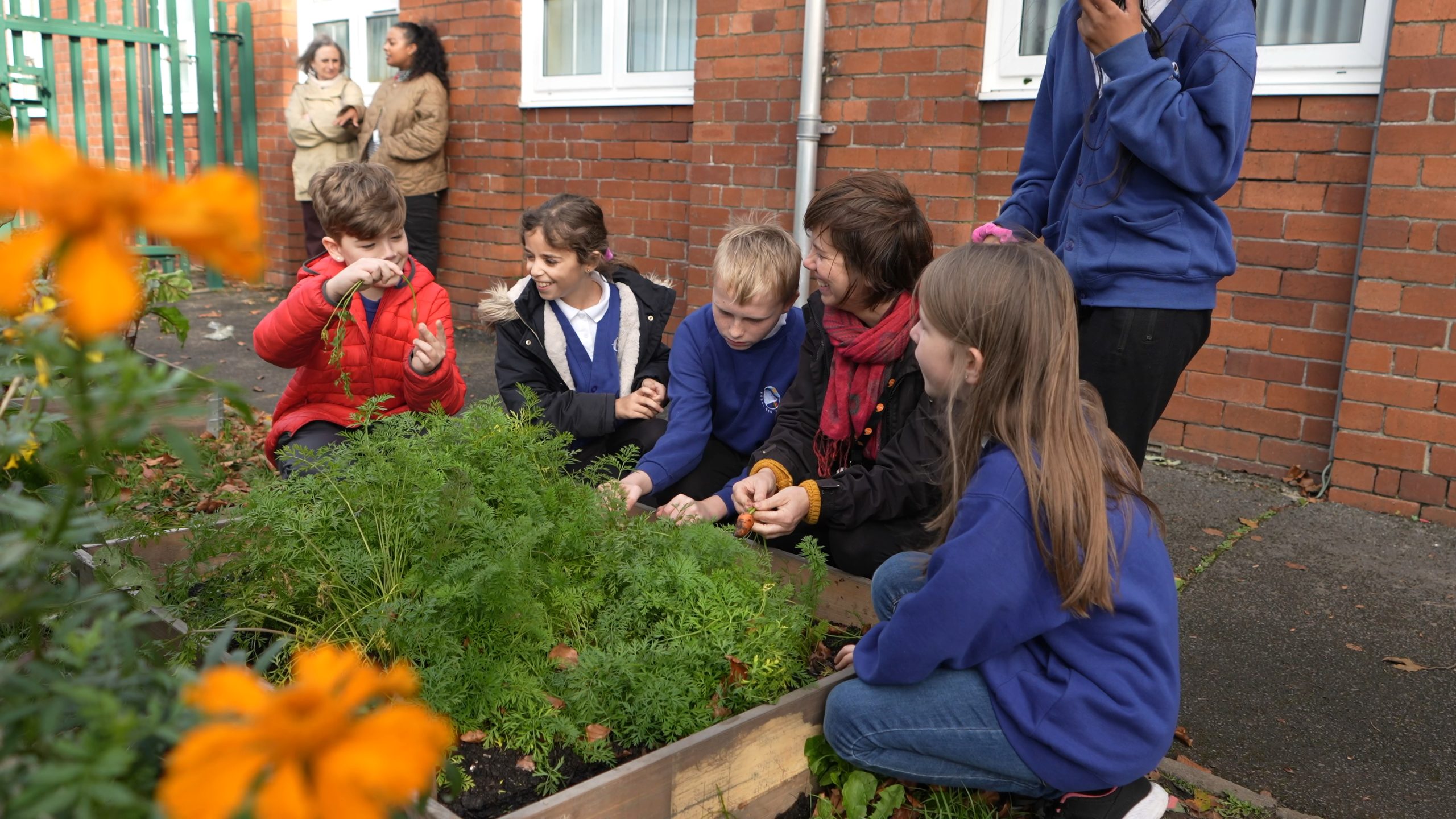
Food Sense Wales are working with local authorities and farmers across Wales to get more fresh, locally grown vegetables in our primary schools. Their Welsh Veg in Schools project has now grown from a Courgette Pilot in 2022, to providing 1 million portions of organic veg from 15 growers to more than 200 schools in 2025.
In collaboration with Cardiff and Vale University Health Board, Cardiff Council and Vale of Glamorgan Council have committed to banning the advertising of Ultra-Processed and high in fat, salt and sugar foods from all publicly owned advertising and marketing spaces to reduce the negative impacts of these foods on our health, environment and communities.
Food Cardiff is working with farmers and communities to increase the amount of organically grown food we eat through their Cardiff Planet Card pilot scheme. Through a card with a value of up to £11 per week, local people were able to purchase organic alternatives without being left out of pocket, supporting organic growers across Wales while also promoting healthy, environmentally sustainable and ethical food across the city.
Communities are shaping their future through budgets and long-term thinking
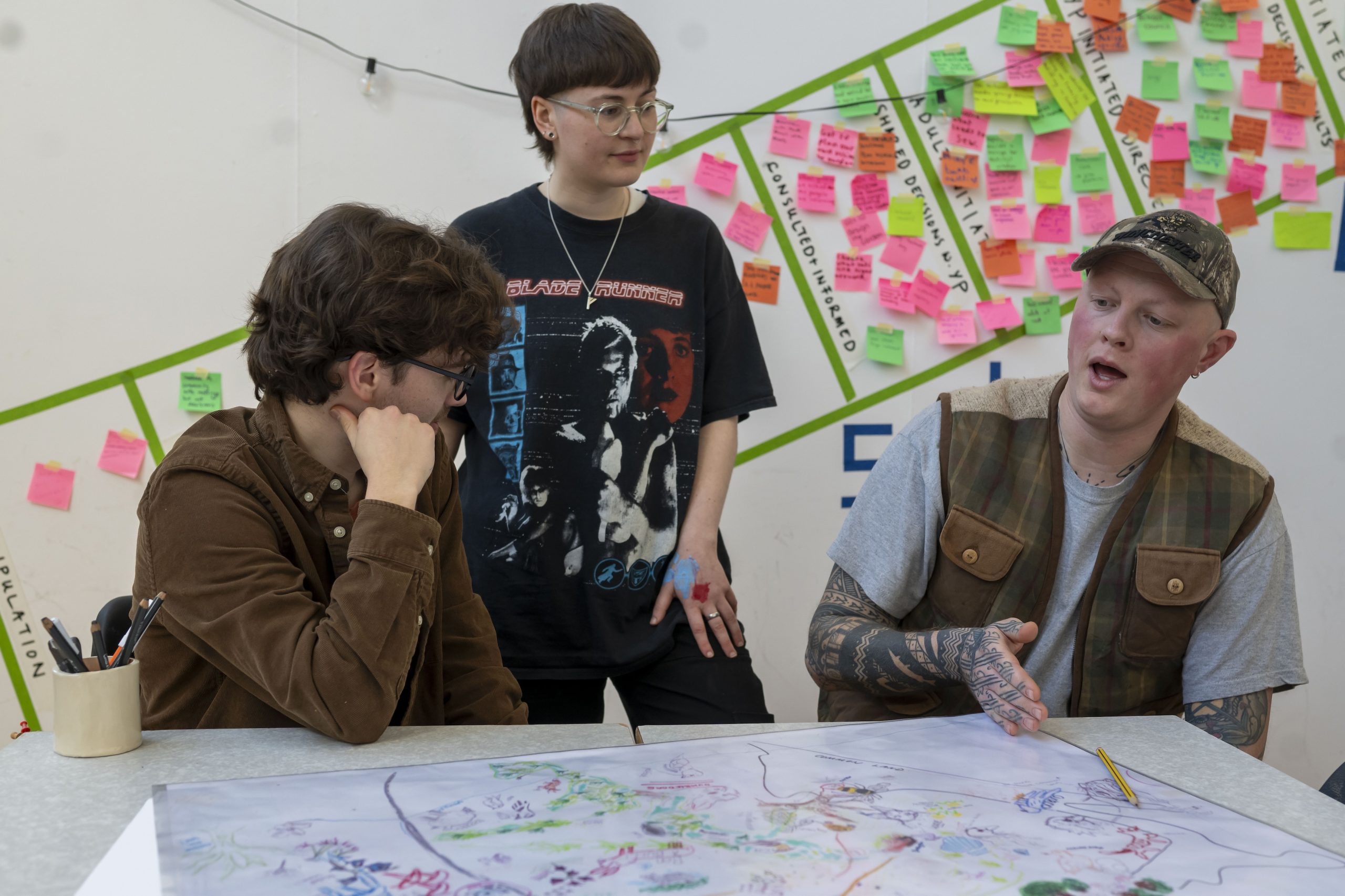
Bannau Brycheiniog has harnessed futures storytelling to better involve communities and think long-term when developing their strategy, Dyfodol y Bannau. Bannau Brycheiniog is using futures tools to bring communities and policy-makers together to create a shared vision for the future including an immersive time travel machine where school children envisioned the past, present and future of food, created a plan of action and presented their findings to local decision-makers.
Newport Council is leading the way in Wales in using a Participatory Budgeting approach where local people decide how public money is spent. In June 2024, the Council completed their sixth participatory budgeting process; £900k was allocated to over 180 community and voluntary sector projects with more than 850 people having taken part in voting.
It’s not just public bodies under the WFG Act who are maximising well-being in Wales, businesses and community enterprises are also putting the Act at the heart of their work.
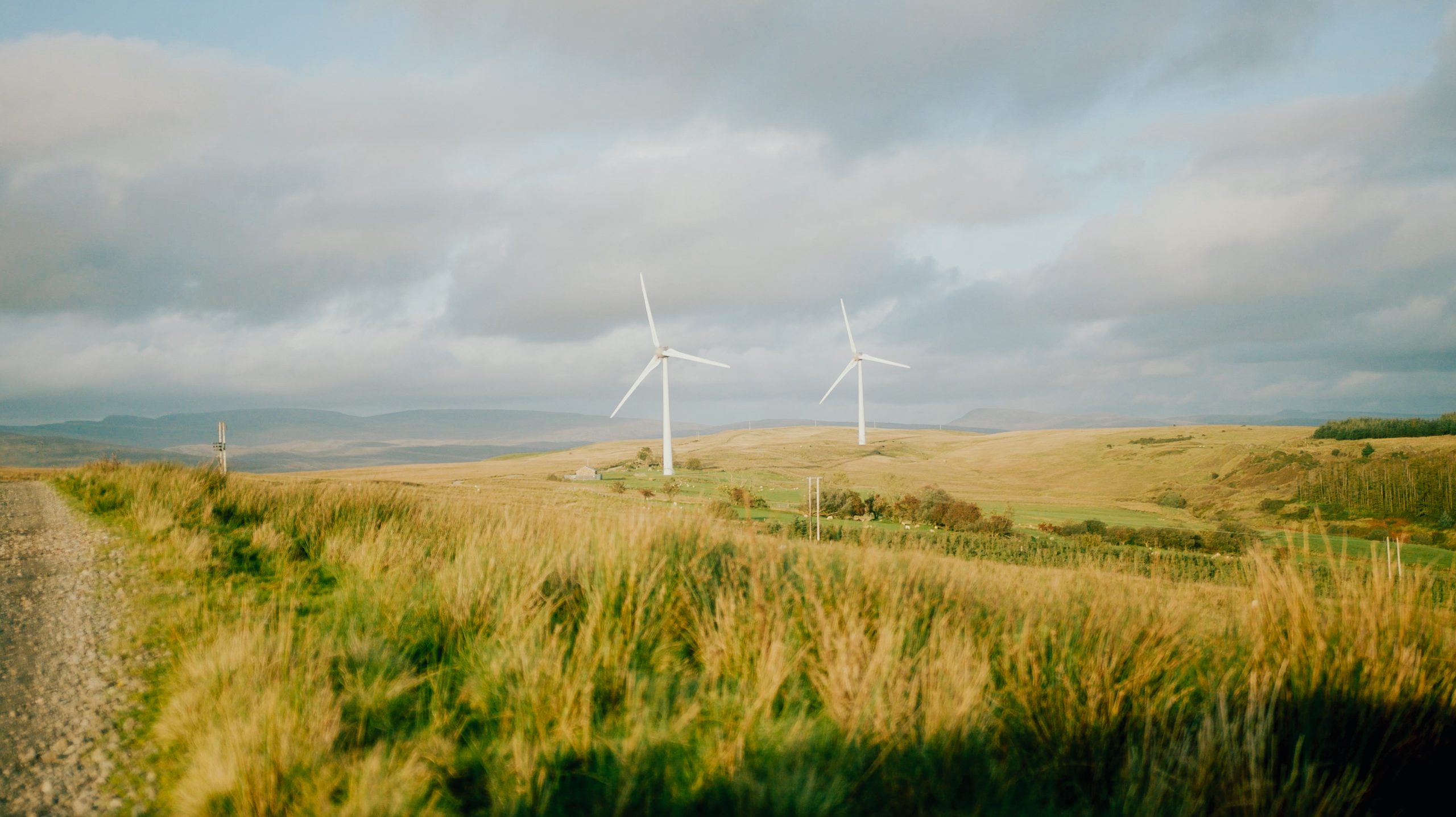
Football Association of Wales is working to become the most sustainable football association in the world with their sustainability and well-being plan, and Bluestone National Park Resort has aligned its business with the WFG Act’s well-being goals, reducing emissions and moving to a circular economy model.
Câr-y-Môr, Wales’ first community-owned, regenerative seaweed and shellfish farm used the WFG Act to challenge a short-term marine license and now have a 20-year license to produce sustainable Welsh seaweed and farm native oysters and mussels off the coast at Ramsey Sound, where they are monitoring the impact of the farm on the marine environment and biodiversity along with benefits for the climate.
The WFGA is world-leading and globally influential
Wales’ act is unique internationally as a statutory duty to consider future generations in public decision-making.
It has directly inspired long-term policy work in places like Scotland, Ireland, and Japan, and influenced UN discussions on futures representation.
We continue to be a strong voice for future generations.
The commissioner and the team use their influence to involve diverse voices and advocate for more action on our climate and nature, health, cultural and economic well-being on behalf of those yet-to-be-born.
Our Future Generations Leadership Academy is developing leaders who care about creating a better Wales and the world.